
Hydrogen Pipeline Compliance Checklist for New Infrastructure Projects




Hydrogen pipeline compliance has moved from a specialist engineering concern to a front-line delivery issue for new infrastructure projects. As hydrogen networks expand beyond pilot corridors, compliance now shapes schedule certainty, financing confidence, public acceptance, and long-term asset integrity.
That shift matters because hydrogen behaves differently from conventional natural gas. Material embrittlement, leak management, pressure containment, isolation design, and emergency response all demand a more disciplined approach from the earliest design gate.
In practice, a useful checklist is not only about passing inspection. It helps align technical standards, permitting pathways, procurement choices, and operating assumptions before they become expensive late-stage corrections.
Why hydrogen pipeline compliance now carries strategic weight
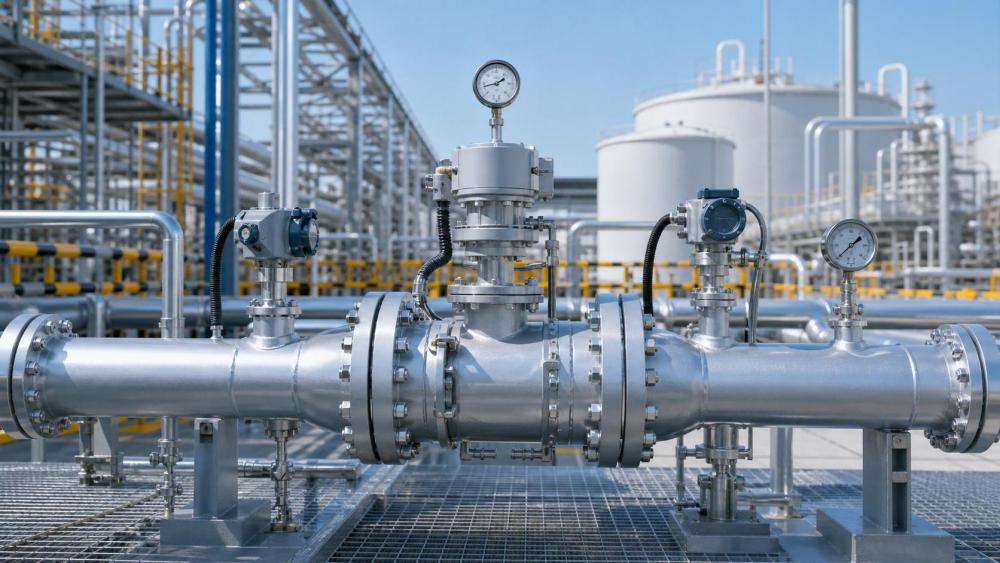
The hydrogen economy has entered a more demanding phase. Large-scale electrolysis, industrial decarbonization, port logistics, power generation, and cross-border energy trade all depend on transport systems that regulators and investors can trust.
This is where hydrogen pipeline compliance becomes a governance issue as much as a technical one. A noncompliant pipeline can delay commissioning, trigger redesign, limit offtake contracts, or reduce insurability.
The wider market context reinforces this. G-HEI positions compliance within sovereign-scale decarbonization, connecting electrolysis output, storage, transport, and end-use assets to rigorous international frameworks such as ASME B31.12 and ISO-aligned safety expectations.
For new infrastructure, that means the checklist should be treated as a project control tool. It belongs in feasibility studies, front-end engineering design, procurement review, and operational readiness planning.
What a compliance checklist really covers
A strong checklist goes well beyond code citation. It translates rules into design decisions, test plans, documentation packages, and measurable acceptance criteria across the asset lifecycle.
At a minimum, hydrogen pipeline compliance should cover materials, pressure design, routing, welding, inspection, control systems, commissioning, and ongoing integrity management. Each area affects both technical performance and regulatory acceptance.
Simple compliance documents often fail because they are detached from actual project interfaces. New hydrogen lines may connect with electrolyzers, storage terminals, turbine systems, refueling assets, or blended gas infrastructure, each with different risk tolerances.
Core checklist domains
The technical issues that deserve early attention
The biggest compliance problems usually begin long before construction. They start when hydrogen is treated as a simple substitution fuel, with legacy gas assumptions copied into specifications.
Material compatibility is often the first pressure point. Hydrogen can accelerate cracking or embrittlement in certain steels and components, especially under high pressure, cyclic loading, or impurities.
Pressure design also needs closer scrutiny. Operating conditions, transient events, pressure relief strategy, and compressor interactions should be reviewed as an integrated system, not as separate packages.
Leak detection deserves the same discipline. Hydrogen disperses quickly, ignites easily, and can be hard to manage without correctly placed sensors, isolation valves, vent paths, and emergency shutdown logic.
Purity management is another hidden compliance factor. If the pipeline serves fuel cells, refueling systems, or sensitive industrial processes, contamination control and interface cleanliness become part of hydrogen pipeline compliance, not an operational afterthought.
Questions worth resolving before procurement
- Which code framework governs the line, and where do local regulations override it?
- Will the asset transport pure hydrogen, blends, or phased service conversions?
- Are all metallic and non-metallic components certified for the expected pressure and gas composition?
- How will testing, purging, drying, and commissioning be documented for approval?
- What integrity monitoring method will remain credible after handover?
Where compliance risk appears across project scenarios
Hydrogen pipeline compliance does not look the same in every build. The checklist should reflect the asset’s role within the wider value chain and the consequences of failure at each interface.
For dedicated transmission lines, routing, land use, environmental review, and emergency planning often dominate the approval timeline. For industrial connectors, tie-in quality and shutdown coordination may matter more.
At ports, export hubs, and cryogenic logistics zones, compliance becomes more complex because pipelines interact with storage tanks, loading systems, hazardous areas, and marine regulations.
In hydrogen-ready power projects, pipeline design must also reflect turbine fuel specifications, transient demand profiles, and future blending scenarios. A line that meets today’s duty may still be noncompliant for tomorrow’s expanded operating case.
This is why benchmark-driven organizations increasingly use cross-asset review methods. G-HEI’s broader framing, from electrolyzers to refueling systems and hydrogen-ready turbines, reflects how compliance decisions propagate across the entire zero-carbon infrastructure chain.
How to build a workable hydrogen pipeline compliance process
A checklist works only when it is connected to project governance. It should be owned, version-controlled, and reviewed at defined stage gates rather than filed as a static appendix.
The most effective approach is to map each compliance item to one of three questions: what must be designed correctly, what must be proven before start-up, and what must remain controllable during operations.
That structure helps keep hydrogen pipeline compliance visible during procurement, factory acceptance, site construction, and commissioning. It also makes gaps easier to escalate before they become contractual disputes.
A practical review sequence
- Confirm the governing standards and jurisdictional approval path at concept stage.
- Freeze the service definition, including purity, pressure, throughput, and future operating envelope.
- Screen every critical material and component for hydrogen compatibility.
- Integrate HAZID, HAZOP, and emergency isolation philosophy before detailed design closes.
- Tie inspection, test, and documentation requirements directly into purchase orders and contractor scopes.
- Validate commissioning, leak testing, and operational monitoring before handover.
What good compliance looks like at handover
A compliant hydrogen pipeline is not simply one that passes a final inspection. It is an asset with a clear design basis, documented material pedigree, verified test records, emergency controls, and an integrity plan that remains usable after the project team exits.
That matters for lenders, insurers, operators, and public authorities alike. They need evidence that the line can perform safely under real operating conditions, not only under modeled assumptions.
For organizations navigating multiple hydrogen investments, hydrogen pipeline compliance also becomes a benchmarking tool. It shows which suppliers understand hydrogen service, which specifications reduce lifecycle risk, and which project habits repeatedly create delay.
The next step is usually straightforward. Review the project against the intended service case, align the checklist with the governing codes, and test every major interface for hidden compliance exposure before procurement locks in the wrong assumptions.
Done well, that process supports more than approval. It helps deliver hydrogen infrastructure that is credible, financeable, and ready for the operating demands of the emerging zero-carbon network.
Related News
- Choosing K9 Ductile Iron Pipe for Buried Water MainsNov 06, 2026K9 ductile iron pipe selection starts beyond the label. Explore pressure, soil, corrosion and joint checks to make a confident procurement decision.
- How to detect leaks in vacuum-insulated hydrogen transport linesOct 24, 2026Improve hydrogen transport systems leak detection: discover how vacuum monitoring, hydrogen sensing, and helium testing help identify leaks in vacuum-insulated lines safely.
- How cryogenic testing exposes leaks in hydrogen infrastructureOct 13, 2026Cryogenic testing for hydrogen infrastructure reveals hidden leaks, seal failures, and insulation defects under real cold conditions—improving safety, uptime, and asset confidence.
- How vacuum insulated piping reduces hydrogen transport lossesOct 02, 2026Hydrogen transport infrastructure benefits from vacuum insulated piping by reducing heat leak, boil-off, pressure instability, and costly transfer losses.
Related News
- 00
0000-00
Hydrogen Energy Storage for Data Centers Gets Costly Fast - 00
0000-00
When 99.999% Hydrogen Purity Still Is Not Good Enough - 00
0000-00
When Does a Hydrogen-Ready Gas Turbine Pay Off? - 00
0000-00
Electricity Price Volatility Is Rewriting Hydrogen Cost Models - 00
0000-00
PSA Recovery Rate Drops for Reasons Operators Miss
Marcus Valve
Weekly Insights
Stay ahead with our curated technology reports delivered every Monday.