
  • Home

  • About

  • H2 Refueling

    
    • H2 Quality Monitoring Sensors

    • Intelligent Dispenser Units

    • 70MPa Hydrogen Compressors

  • CCUS Infrastructure

    
    • Sub-surface Injection Gates

    • Carbon Capture Membranes

    • CO2 Compression Systems

  • Hydrogen Power

    
    • Direct Hydrogen Burners

    • Stationary Fuel Cell Power

    • Hydrogen-blending Gas Turbines

  • Cryo-Logistics

    
    • Vacuum Insulated Piping (VIP)

    • Cryogenic Pump Systems

    • Liquid Hydrogen Storage Tanks

  • Green Hydrogen

    
    • Solid Oxide Electrolysis (SOEC)

    • Large-scale ALK Systems

    • Megawatt PEM Electrolyzers

Tagname : hydrogen infrastructure financing models

  • Hydrogen Infrastructure Financing Models Explained
    Hydrogen Infrastructure Financing Models Explained
    Hydrogen infrastructure financing models explained: compare corporate finance, project finance, PPP, and blended funding to reduce risk, improve bankability, and make smarter investment decisions.
  • Hydrogen Infrastructure Financing Models: CAPEX vs Offtake Risk in 2026
    Hydrogen Infrastructure Financing Models: CAPEX vs Offtake Risk in 2026
    Hydrogen infrastructure financing models in 2026 hinge on CAPEX and offtake risk. See what makes projects bankable, lowers capital costs, and attracts lenders.
    Industry Portal

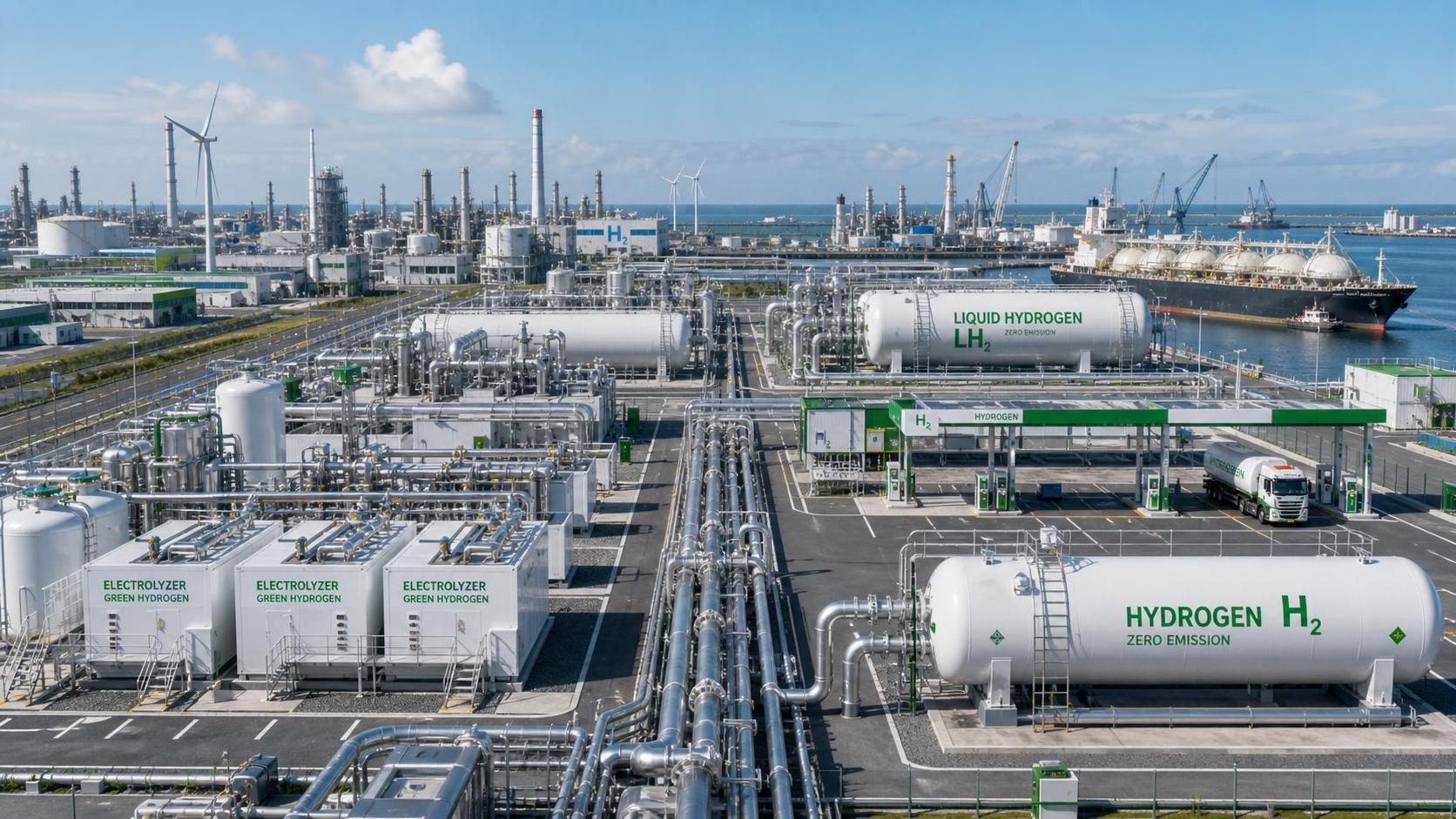
    The Global Hydrogen-Economy & Zero-Carbon Infrastructure (G-HEI) is a premier, multidisciplinary technical hub and strategic benchmarking repository dedicated to the "Sovereignty of the Hydrogen Frontier." As of 2026, the transition from carbon-heavy fuels to a hydrogen-based economy has reached a critical inflection point, necessitating a complete overhaul of global energy transport and storage networks. G-HEI serves as the definitive reference for National Energy Ministers, Chief Technology Officers (CTOs) of utility-scale power firms, and Investment Directors of Global Top 500 energy conglomerates. We bridge the gap between Large-scale electrolysis production and the rigorous international safety, material-integrity, and efficiency frameworks required for sovereign-level decarbonization.

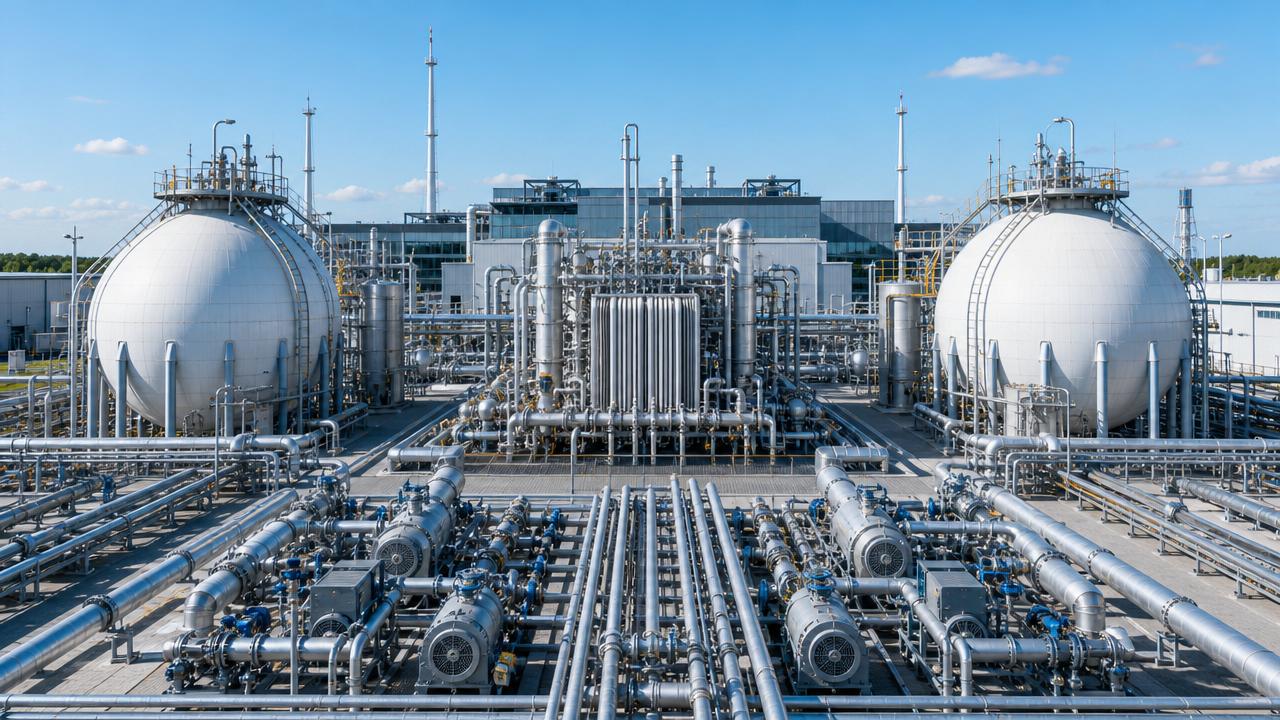
    G-HEI is architected around five high-value pillars of the zero-carbon value chain: Megawatt-scale Electrolysis Systems (PEM & ALK), Cryogenic Liquid Hydrogen Logistics, Hydrogen-ready Gas Turbine Power, Carbon Capture, Utilization, and Storage (CCUS) Infrastructure, and High-pressure Hydrogen Refueling Systems (70MPa+). By benchmarking ultra-high-performance assets—from titanium-based PEM stacks and vacuum-insulated cryogenic vessels to hydrogen-blending gas turbines—against uncompromising international standards such as ISO 19880, ASME B31.12, and SAE J2601, G-HEI ensures that global stakeholders lead the transition to a sustainable industrial civilization with absolute technical and asset security.

    Industries

    • Green Hydrogen

      
      • Solid Oxide Electrolysis (SOEC)

      • Large-scale ALK Systems

      • Megawatt PEM Electrolyzers

    • Cryo-Logistics

      
      • Vacuum Insulated Piping (VIP)

      • Cryogenic Pump Systems

      • Liquid Hydrogen Storage Tanks

    • Hydrogen Power

      
      • Direct Hydrogen Burners

      • Stationary Fuel Cell Power

      • Hydrogen-blending Gas Turbines

    • CCUS Infrastructure

      
      • Sub-surface Injection Gates

      • Carbon Capture Membranes

      • CO2 Compression Systems

    • H2 Refueling

      
      • H2 Quality Monitoring Sensors

      • Intelligent Dispenser Units

      • 70MPa Hydrogen Compressors

    Resource

    • About

    • resources

    Copyright © Global Hydrogen-Economy & Zero-Carbon Infrastructure

    Site Index