Megawatt Electrolysis Systems Cost Drivers in 2026 Projects




For 2026 hydrogen projects, megawatt electrolysis systems are judged less by nameplate price and more by full project economics. Capital approvals now depend on efficiency durability, grid coupling, water quality, safety compliance, and operational flexibility.
That shift matters across the broader zero-carbon infrastructure landscape. In practice, project value is created when megawatt electrolysis systems align with power markets, downstream storage, and sovereign-grade technical standards.
Why 2026 marks a sharper cost reset for megawatt electrolysis systems
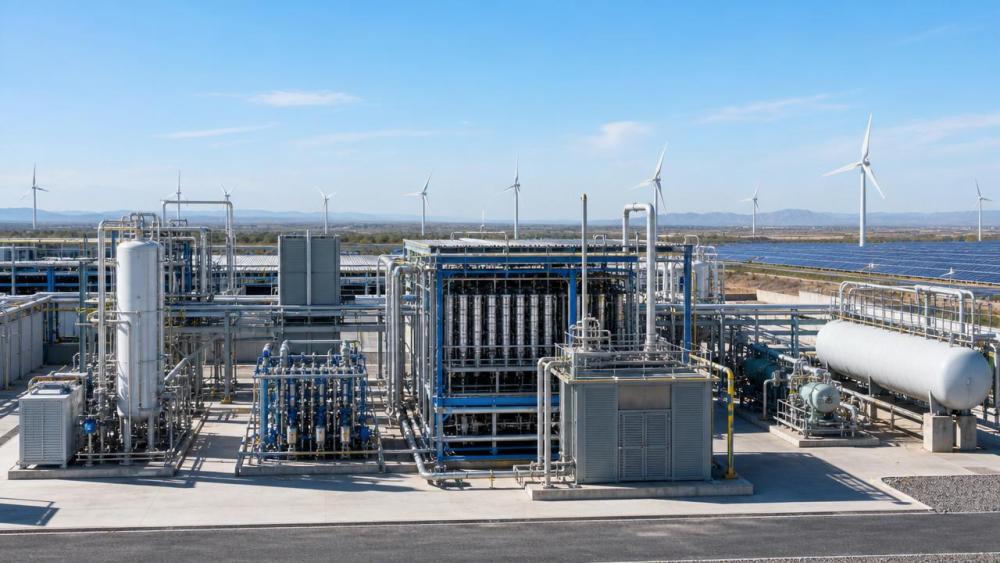
Several 2026 signals are changing cost expectations for megawatt electrolysis systems. Developers now face tighter financing tests, more demanding availability assumptions, and greater scrutiny on lifetime hydrogen cost.
Electricity remains the largest cost component over time. Yet upfront capital still determines whether a project reaches financial close, especially in utility-linked or export-oriented hydrogen corridors.
This creates a new benchmark logic. The cheapest electrolyzer package may become the most expensive project once compression, rectification, civil works, and stack replacement are included.
In parallel, standards pressure is rising. Hydrogen installations increasingly require stronger evidence on material compatibility, process safety, and integrated performance under variable renewable power.
The strongest cost drivers are no longer hidden in the equipment quote
In 2026 projects, the main cost drivers behind megawatt electrolysis systems can be grouped into technical, site, and financial categories. Each category affects both CAPEX and long-run bankability.
Key drivers shaping project cost
Among these drivers, stack chemistry remains central. PEM units often support faster dynamic operation, while alkaline designs can offer lower initial equipment pricing in stable operating profiles.
However, the chemistry decision cannot be isolated. It affects utility connection strategy, purity control, maintenance philosophy, and the wider cost structure of megawatt electrolysis systems.
Why power architecture is becoming the dominant bankability variable
The commercial logic of megawatt electrolysis systems increasingly starts with electricity architecture. Power source quality, curtailment exposure, and load-following behavior now shape both CAPEX and hydrogen yield certainty.
Projects linked to intermittent solar or wind need more than low-cost generation. They require stable conversion performance, start-stop tolerance, and controls that protect stack life during transient operation.
This raises several hidden cost items:
- Oversized rectifiers for variable renewable input
- Transformer and harmonic mitigation requirements
- Buffer storage to smooth plant dispatch
- Control systems for dynamic ramping
- Additional testing to validate efficiency at partial load
When these elements are ignored, quoted costs look attractive but delivered hydrogen cost becomes unstable. That is why 2026 investment reviews focus harder on electrical integration than on stack price alone.
Water, layout, and compliance are reshaping site economics
Megawatt electrolysis systems depend on more than power. Site water conditions, plot constraints, and safety zoning now produce major cost differences between projects with similar capacity ratings.
Water treatment is often underestimated. Surface water, industrial reclaimed water, or desalinated supply each changes pretreatment equipment, consumables, monitoring, and shutdown sensitivity.
Layout also matters. Hydrogen vent systems, compressor placement, hazardous area classification, and maintenance access all affect concrete, piping, cabling, and future expansion flexibility.
Main site-level pressure points
- Raw water inconsistency increases purification complexity.
- Remote sites raise logistics and commissioning cost.
- Restricted footprints can force expensive vertical or modular arrangements.
- Stricter code compliance adds instrumentation and verification steps.
- Downstream storage pressure targets influence compressor sizing early.
For integrated hydrogen hubs, these issues extend beyond the electrolyzer island. They influence liquefaction interfaces, refueling systems, pipeline delivery, and gas turbine blending strategies.
The biggest financial impact comes from lifecycle uncertainty
In many 2026 reviews, lifecycle uncertainty is the factor that moves megawatt electrolysis systems from promising to financeable. Performance confidence now carries higher value than optimistic nameplate claims.
Three questions dominate technical due diligence:
- How will efficiency change after repeated ramping cycles?
- What stack replacement interval is realistic under local duty conditions?
- Can the supplier document field performance under comparable operating profiles?
These questions affect reserves, insurance assumptions, debt sizing, and offtake confidence. A lower initial quote may lose advantage if stack durability data remains weak.
As a result, total cost of ownership models for megawatt electrolysis systems now place more weight on degradation curves, spare parts strategy, and long-term service capability.
What deserves closer attention before final cost benchmarking
A robust benchmark for megawatt electrolysis systems should compare complete project architecture, not only electrolyzer skid pricing. Several checkpoints help separate credible proposals from incomplete ones.
Priority review points
- Verify whether quoted efficiency is based on stack only or full system boundaries.
- Check water treatment assumptions against actual local feedwater quality.
- Confirm pressure output and downstream compression responsibilities.
- Review dynamic operating limits under expected renewable intermittency.
- Map compliance needs to applicable standards and permitting pathways.
- Stress-test stack replacement timing under realistic operating scenarios.
A practical decision framework
Across comprehensive energy infrastructure planning, this framework helps compare megawatt electrolysis systems on a true delivered-cost basis rather than a misleading equipment-only basis.
A stronger 2026 approach starts with integrated technical evidence
The cost drivers behind megawatt electrolysis systems are becoming more interconnected. Stack choice, power electronics, water conditioning, compliance engineering, and durability evidence now move together.
That means better project outcomes come from integrated benchmarking, not isolated vendor comparisons. The most resilient projects are those that connect cost assumptions to operating reality from the start.
For next-step evaluation, build a side-by-side matrix covering full system boundaries, efficiency under real load, replacement assumptions, and standards readiness. That process gives megawatt electrolysis systems a clearer path to credible 2026 investment approval.
Related News
- Electricity Price Volatility Is Rewriting Hydrogen Cost ModelsApr 27, 2026Impact of electricity price on hydrogen cost is transforming industrial decarbonization and large-scale electrolysis. Explore LCOH trends, PPA strategies, and resilient hydrogen infrastructure planning.
- Energy Transition Plans Often Fail at the Grid Connection StageApr 27, 2026Sustainable energy and energy transition projects often fail at grid connection. Learn how hydrogen infrastructure, PEM electrolysis, and industrial decarbonization can avoid delays and protect investment value.
- What Is Slowing Industrial Decarbonization Projects in 2026?Apr 27, 2026Industrial decarbonization faces delays in 2026 as hydrogen infrastructure, sustainable energy access, grid limits, safety standards, and project bankability challenge the energy transition.
- How safety layers reduce risk in utility-scale hydrogen systemsOct 05, 2026Utility scale hydrogen systems safety: discover how layered prevention, detection, shutdown, venting, and inspection controls reduce operational risk.
Related News
- 00
0000-00
Hydrogen Energy Storage for Data Centers Gets Costly Fast - 00
0000-00
When 99.999% Hydrogen Purity Still Is Not Good Enough - 00
0000-00
When Does a Hydrogen-Ready Gas Turbine Pay Off? - 00
0000-00
Electricity Price Volatility Is Rewriting Hydrogen Cost Models - 00
0000-00
PSA Recovery Rate Drops for Reasons Operators Miss
Dr. Aris Aero
Weekly Insights
Stay ahead with our curated technology reports delivered every Monday.