Refinery Decarbonization Strategies: Where Hydrogen Cuts Emissions Fastest




For enterprise decision-makers navigating energy transition risk, refinery decarbonization strategies are no longer optional—they are a competitiveness imperative.
Among available pathways, hydrogen delivers some of the fastest emissions cuts, especially in fired heat, hydroprocessing, and low-carbon utility integration.
This article explains where hydrogen reduces emissions first, what to check before investing, and how to align infrastructure, safety, and compliance.
Why refinery decarbonization strategies need a checklist approach
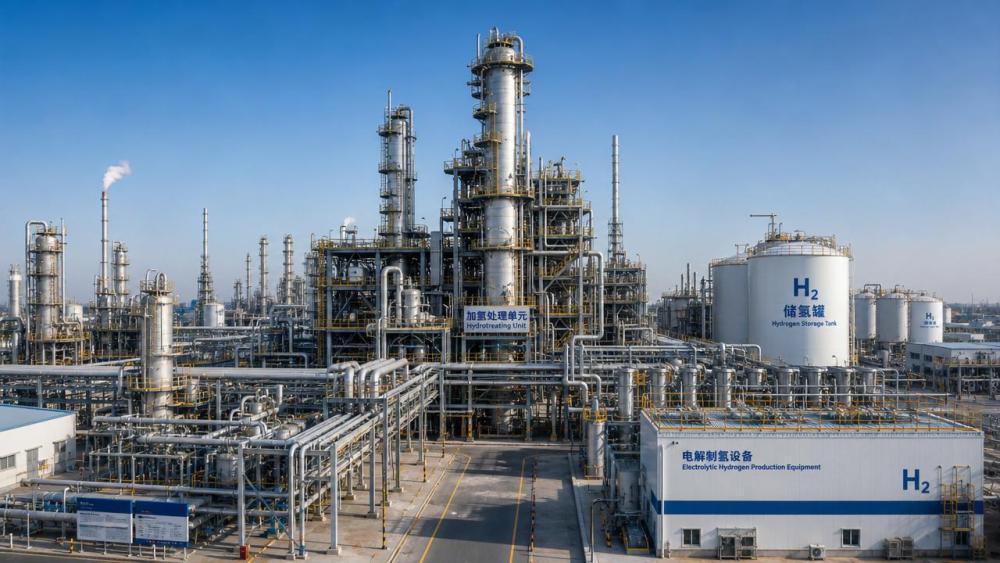
Refineries are complex, heat-intensive systems with tightly linked hydrogen, fuel gas, steam, power, and product quality constraints.
That complexity makes refinery decarbonization strategies vulnerable to poor sequencing, hidden bottlenecks, and overestimated carbon benefits.
A checklist-based method helps compare projects by emissions impact, implementation speed, asset readiness, and long-term hydrogen scalability.
It also supports better benchmarking across electrolysis, storage, piping, burners, turbines, and CCUS-linked hydrogen supply options.
Where hydrogen cuts emissions fastest in refinery decarbonization strategies
The fastest gains usually come from replacing carbon-intensive hydrogen production and using low-carbon hydrogen where combustion emissions are concentrated.
The priorities below provide a practical starting point for refinery decarbonization strategies focused on measurable reductions.
- Replace grey hydrogen from steam methane reforming with low-carbon hydrogen from electrolysis or reforming plus CCUS where existing demand is already large and continuous.
- Target hydrotreating and hydrocracking first, because these units already consume substantial hydrogen and can convert emissions intensity without major product slate disruption.
- Use hydrogen-rich fuel or direct hydrogen firing in selected heaters where burner retrofits are feasible and stack emissions are concentrated enough to justify action.
- Prioritize units with stable operating profiles, since steady demand improves electrolyzer utilization, storage sizing, and integration with renewable or grid-supplied power.
- Map refinery hydrogen networks before expansion, identifying purge losses, purity mismatches, compressor constraints, and pressure drops that reduce real decarbonization benefits.
- Evaluate low-carbon hydrogen against marginal abatement cost, not only fuel substitution cost, because carbon pricing and compliance value can change project economics quickly.
- Check metallurgy, seals, valves, and piping codes early, especially for high-pressure service under standards such as ASME B31.12 and ISO 19880-linked practices.
- Pair hydrogen projects with digital monitoring of leaks, combustion performance, and lifecycle emissions to confirm that headline reductions become verified operational results.
1. Hydrogen production replacement
For many sites, the largest and fastest reduction comes from replacing grey hydrogen used across desulfurization and upgrading operations.
This avoids waiting for broad process redesign and directly addresses a major embedded emissions source within refinery decarbonization strategies.
2. Hydroprocessing units
Hydrotreaters and hydrocrackers are usually early candidates because hydrogen is already essential for sulfur removal and product quality compliance.
Switching the hydrogen source here can reduce carbon intensity without changing the core product market served by the refinery.
3. Fired heaters and boilers
Hydrogen use in combustion can move quickly where flue gas emissions are high and equipment retrofit windows already exist.
However, flame speed, NOx behavior, burner design, and furnace heat transfer must be validated before scaling.
Execution checks that strengthen refinery decarbonization strategies
Project selection improves when technical checks are linked to emissions value, safety assurance, and future network flexibility.
- Quantify current hydrogen balance by source, purity, pressure, and end use before setting decarbonization targets or designing additional supply.
- Compare electrolytic hydrogen, blue hydrogen, and merchant supply using delivered cost, carbon intensity, resilience, and permitting complexity.
- Audit utility interdependencies, including power quality, cooling water, demineralized water, steam balance, and backup generation capacity.
- Verify materials compatibility for compressors, storage vessels, and transfer lines exposed to hydrogen embrittlement risk or cyclic loading.
- Screen for integration with existing CCUS, cogeneration, or hydrogen-ready turbine assets to improve total site decarbonization value.
- Set measurement boundaries for Scope 1, Scope 2, and product carbon intensity to prevent misleading reporting outcomes.
How refinery decarbonization strategies differ by application context
Sites with large existing hydrogen demand
These facilities often capture early value by decarbonizing supply first, not by changing process chemistry.
Key checks include electrolyzer scale, storage buffering, and whether current compression systems can handle new supply profiles.
Refineries integrated with petrochemicals
Integration creates both opportunity and complexity, because hydrogen networks may span multiple units with different purity specifications.
Refinery decarbonization strategies here should prioritize network optimization before adding expensive new generation capacity.
Energy-constrained or water-constrained regions
Electrolysis may face limits from renewable power availability, grid emissions, or water treatment infrastructure.
In these locations, phased hydrogen adoption or CCUS-linked supply can outperform a full green hydrogen buildout in the near term.
Export-oriented refining hubs
These sites may benefit most when refinery decarbonization strategies align with low-carbon fuel standards and buyer disclosure requirements.
Certification, traceability, and recognized technical standards become as important as the hydrogen molecule itself.
Commonly overlooked risks in refinery decarbonization strategies
Ignoring lifecycle carbon intensity
Hydrogen only cuts emissions meaningfully when upstream electricity, feedstock, and capture performance are transparently measured.
Underestimating storage and logistics constraints
Daily production variability can undermine refinery operations unless compressed, liquefied, or buffered storage is sized correctly.
Treating safety compliance as a late-stage task
Hydrogen projects need early alignment with standards, hazardous area design, leak detection, emergency response, and operator training.
Missing the network view
Isolated projects can shift emissions rather than reduce them if fuel gas balance, steam demand, and power imports are not updated together.
Practical next steps for stronger refinery decarbonization strategies
Start with a refinery-wide hydrogen and emissions baseline covering production, consumption, losses, utilities, and compliance boundaries.
Then rank projects by speed to reduce Scope 1 emissions, operational risk, capex intensity, and expandability toward sovereign-scale hydrogen systems.
Use a technical benchmark framework spanning electrolysis, cryogenic logistics, hydrogen-ready power assets, and CCUS integration.
This is where structured references such as G-HEI add value through asset comparison, standards alignment, and infrastructure-readiness assessment.
FAQ: key questions around refinery decarbonization strategies
Is green hydrogen always the best first move?
Not always. The best first move depends on electricity carbon intensity, water access, project timing, and existing hydrogen demand.
Which units usually decarbonize fastest?
Hydrogen production systems and hydroprocessing units often deliver the earliest measurable reductions in refinery decarbonization strategies.
Can hydrogen firing replace all refinery fuels quickly?
No. Some heaters can be retrofitted sooner, but full replacement requires burner validation, NOx control, and system-wide fuel balance adjustments.
Conclusion and action path
The most effective refinery decarbonization strategies begin where hydrogen demand already exists and emissions can be reduced without waiting for total site redesign.
Focus first on grey hydrogen replacement, hydroprocessing demand, and selected fired equipment with clear retrofit feasibility.
Next, validate infrastructure, materials integrity, storage, and reporting boundaries against internationally recognized technical standards.
A disciplined checklist turns refinery decarbonization strategies from ambition into auditable progress, helping organizations cut emissions faster and invest with greater confidence.
Related News
- Electricity Price Volatility Is Rewriting Hydrogen Cost ModelsApr 27, 2026Impact of electricity price on hydrogen cost is transforming industrial decarbonization and large-scale electrolysis. Explore LCOH trends, PPA strategies, and resilient hydrogen infrastructure planning.
- Energy Transition Plans Often Fail at the Grid Connection StageApr 27, 2026Sustainable energy and energy transition projects often fail at grid connection. Learn how hydrogen infrastructure, PEM electrolysis, and industrial decarbonization can avoid delays and protect investment value.
- What Is Slowing Industrial Decarbonization Projects in 2026?Apr 27, 2026Industrial decarbonization faces delays in 2026 as hydrogen infrastructure, sustainable energy access, grid limits, safety standards, and project bankability challenge the energy transition.
- CIF price vs FOB price comparison for electrolyzer import cost controlSep 24, 2026CIF price vs FOB price comparison for electrolyzer imports: uncover landed-cost risks, insurance gaps, freight control, and smarter delivery decisions.
Related News
- 00
0000-00
Hydrogen Energy Storage for Data Centers Gets Costly Fast - 00
0000-00
When 99.999% Hydrogen Purity Still Is Not Good Enough - 00
0000-00
When Does a Hydrogen-Ready Gas Turbine Pay Off? - 00
0000-00
Electricity Price Volatility Is Rewriting Hydrogen Cost Models - 00
0000-00
PSA Recovery Rate Drops for Reasons Operators Miss
Dr. Aris Aero
Weekly Insights
Stay ahead with our curated technology reports delivered every Monday.