
Solar-Hydrogen Hybrid Microgrids for Remote Areas: Cost and Reliability




For business evaluators assessing resilient energy investments, solar-hydrogen hybrid microgrids for remote areas offer a compelling pathway to lower fuel dependency, stabilize long-duration power supply, and strengthen zero-carbon infrastructure.
By combining photovoltaic generation, electrolyzer-based hydrogen production, storage, and fuel-cell or turbine reconversion, these systems address reliability gaps that solar-only microgrids often face.
This guide examines cost drivers, reliability metrics, and strategic value considerations for isolated communities, mining sites, islands, and frontier industrial operations.
Why Solar-Hydrogen Hybrid Microgrids for Remote Areas Need a Checklist
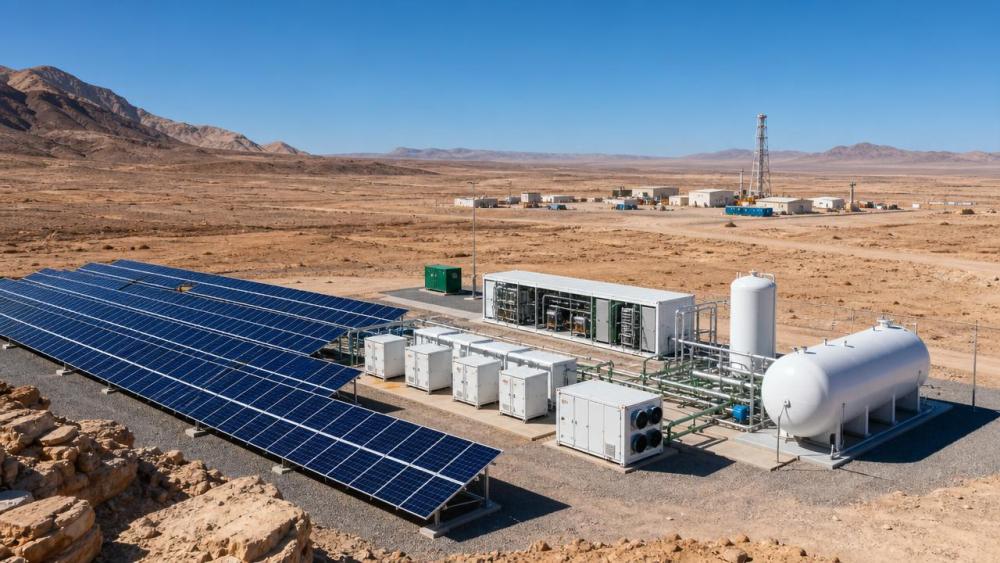
Remote power projects fail when design assumptions are too optimistic, logistics are underestimated, or storage duration is poorly matched to seasonal demand.
Solar-hydrogen hybrid microgrids for remote areas require disciplined evaluation because they combine electrical, chemical, mechanical, and safety-critical infrastructure.
A checklist helps compare capital cost, fuel displacement, uptime, hydrogen storage integrity, maintenance access, and expansion flexibility.
It also prevents false comparisons between short-duration batteries and hydrogen systems designed for multi-day or seasonal resilience.
Core Cost Checklist for Bankable Project Evaluation
Use the following points to test whether solar-hydrogen hybrid microgrids for remote areas can meet cost, reliability, and decarbonization objectives.
- Map hourly load profiles, seasonal peaks, critical loads, and deferrable demand before selecting photovoltaic capacity, electrolyzer size, hydrogen storage, and reconversion equipment.
- Separate capital cost into solar arrays, electrolyzers, compressors, tanks, fuel cells, controls, civil works, safety systems, and remote monitoring infrastructure.
- Calculate diesel displacement using delivered fuel cost, road or marine logistics, outage risk, carbon exposure, and emergency fuel inventory requirements.
- Model hydrogen round-trip efficiency with realistic electrolyzer performance, compression losses, storage leakage, fuel-cell degradation, and part-load operating conditions.
- Define required autonomy in hours, days, or weeks, then compare hydrogen storage economics against lithium batteries and continued diesel backup.
- Include water sourcing, purification, and disposal planning because electrolyzer reliability depends on stable feedwater quality in isolated environments.
- Specify safety compliance around ventilation, leak detection, hazardous zones, pressure relief, grounding, emergency shutdown, and operator training.
- Assess maintenance access for stacks, membranes, compressors, valves, sensors, inverters, and control systems under harsh climate conditions.
- Benchmark design against standards such as ISO 19880, ASME B31.12, IEC microgrid practices, and local electrical safety codes.
- Test financing sensitivity against electrolyzer utilization, interest rates, equipment replacement cycles, carbon pricing, and avoided outage losses.
Reliability Checklist for Long-Duration Power Supply
Reliability is not only annual uptime. It also reflects how quickly a microgrid recovers during extended low-solar periods.
Solar-hydrogen hybrid microgrids for remote areas should be measured with technical metrics that capture resilience under real stress.
- Set loss-of-load probability targets for hospitals, telecom towers, water systems, refrigeration, data equipment, and mission-critical industrial loads.
- Validate weather-year data with conservative irradiance assumptions, storm events, dust accumulation, snow cover, smoke, and monsoon variability.
- Design layered storage by assigning batteries to fast response and hydrogen to long-duration backup and seasonal balancing.
- Use black-start procedures that can restore controllers, inverters, pumps, compressors, and essential loads without external grid support.
- Apply redundancy to single-failure components, especially hydrogen compressors, cooling loops, power converters, communication links, and emergency controls.
- Monitor stack health, tank pressure, gas purity, water quality, inverter temperature, and battery state of charge through secure telemetry.
Application Scenarios and Design Priorities
Remote Communities
For villages, islands, and off-grid settlements, solar-hydrogen hybrid microgrids for remote areas reduce dependence on imported diesel and unstable delivery schedules.
Design priorities include safe public infrastructure, simple maintenance routines, water availability, and tariff structures that protect affordability.
Mining and Frontier Industrial Sites
Mining operations need predictable power for crushers, ventilation, dewatering, accommodation, communications, and safety systems.
Solar-hydrogen hybrid microgrids for remote areas can support heavy-duty decarbonization when integrated with electric haulage or hydrogen refueling plans.
Telecom, Defense, and Emergency Infrastructure
Small critical sites often value autonomy more than lowest levelized cost because service interruption carries high operational consequences.
Hydrogen storage can extend runtime beyond battery-only systems, particularly where refueling convoys are expensive, risky, or weather-dependent.
Islanded Commercial Clusters
Ports, cold-chain hubs, resorts, and agricultural processing centers can use shared energy infrastructure to improve utilization.
In these clusters, solar-hydrogen hybrid microgrids for remote areas should be evaluated with anchor loads and future expansion demand.
Cost and Reliability Comparison Table
Commonly Overlooked Risks
Underestimating Compression and Balance-of-Plant Cost
Electrolyzer pricing alone can mislead project economics. Compressors, dryers, chillers, piping, power electronics, and safety systems materially shape total cost.
Ignoring Water Constraints
Solar-hydrogen hybrid microgrids for remote areas need dependable water treatment. Poor feedwater can shorten stack life and increase unplanned downtime.
Oversizing Hydrogen Without Utilization Logic
Large tanks improve autonomy, but idle capacity weakens returns. Storage sizing should reflect weather risk, load criticality, and avoided fuel logistics.
Treating Safety as a Late-Stage Permit Issue
Hydrogen safety must influence layout, separation distances, ventilation, detection, electrical classification, emergency access, and staff procedures from concept design.
Forgetting Degradation and Replacement Cycles
Fuel cells, electrolyzer stacks, batteries, and power converters age differently. Lifecycle models should include planned replacements and reduced efficiency.
Practical Execution Guidance
Start with a feasibility model that compares diesel-only, solar-battery, and solar-hydrogen options under the same reliability target.
Then run sensitivity cases for fuel price, carbon cost, solar yield, electrolyzer utilization, storage duration, and equipment replacement.
- Build a digital load model using measured data, not only monthly bills or generic community demand estimates.
- Select modular equipment so solar-hydrogen hybrid microgrids for remote areas can expand with population or industrial growth.
- Prioritize proven components with documented performance, warranty terms, safety certifications, and remote-service support.
- Create operating procedures for hydrogen production, shutdown, leak response, maintenance lockout, and emergency communication.
- Use procurement specifications that reference pressure ratings, purity limits, control logic, and relevant international standards.
Strategic Value Beyond Levelized Cost
The strongest business case is not always the lowest simple energy cost. Reliability, sovereignty, emissions reduction, and logistics resilience matter.
Solar-hydrogen hybrid microgrids for remote areas can reduce exposure to fuel convoys, port closures, price shocks, and carbon regulation.
They also create a platform for future hydrogen use in mobility, industrial heat, backup generation, and regional energy trading.
For zero-carbon infrastructure planning, this optionality can justify phased investment when technical governance is strong.
Summary and Next Action Steps
Solar-hydrogen hybrid microgrids for remote areas are most attractive where diesel logistics are costly and long-duration reliability is essential.
They require careful engineering, realistic cost modeling, hydrogen safety discipline, and lifecycle planning across generation, storage, and reconversion assets.
The next step is to assemble measured load data, local solar resources, fuel logistics costs, water availability, and reliability requirements.
With those inputs, develop a comparative design study and test whether solar-hydrogen hybrid microgrids for remote areas deliver resilient, bankable performance.
Related News
- Hydrogen Energy Storage for Data Centers Gets Costly FastApr 27, 2026Hydrogen energy storage for data centers gets costly fast as hydrogen storage, cryogenic liquid hydrogen, safety standards, and utility-scale power needs reshape the energy transition case. Learn the real trade-offs.
- UL Certification Checklist for Stationary Fuel Cell PowerJun 06, 2026UL certification for stationary fuel cell power: explore a practical checklist, common approval risks, and smart compliance steps to reduce delays, control cost, and build safer hydrogen systems.
- Dynamic Grid Balancing Protocols for Fuel Cell PowerJun 05, 2026Dynamic grid balancing protocols implementation guide for fuel cell power: learn how to improve stability, interoperability, safety, and fast-response performance across modern hydrogen-based grids.
- Solar Panels for Stationary Fuel Cell Hybrid SitesJun 04, 2026Solar panels strengthen stationary fuel cell hybrid sites by cutting hydrogen use, boosting resilience, and lowering costs. Learn how smart integration improves zero-carbon performance.
Related News
- 00
0000-00
Hydrogen Energy Storage for Data Centers Gets Costly Fast - 00
0000-00
When 99.999% Hydrogen Purity Still Is Not Good Enough - 00
0000-00
When Does a Hydrogen-Ready Gas Turbine Pay Off? - 00
0000-00
Electricity Price Volatility Is Rewriting Hydrogen Cost Models - 00
0000-00
PSA Recovery Rate Drops for Reasons Operators Miss
Dr. Hideo Torque
Weekly Insights
Stay ahead with our curated technology reports delivered every Monday.