Refinery Decarbonization: Where Hydrogen Cuts Emissions First




Refinery emissions rarely decline in one step. The most effective refinery decarbonization strategies start with units that already consume hydrogen, burn large fuel volumes, or can accept lower-carbon utility inputs without major process disruption.
In practice, hydrogen delivers early value where carbon intensity is concentrated: hydrotreaters, hydrogen plants, fired heaters, boilers, and selected power systems. Sequencing these moves well improves emissions performance while protecting throughput, product quality, and maintenance planning.
Why refinery decarbonization strategies need a checklist first
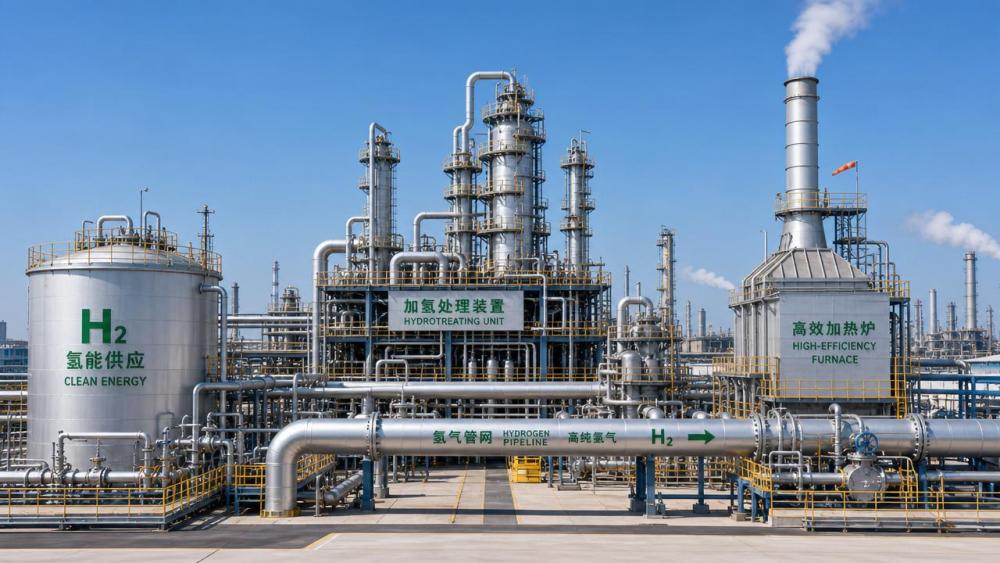
Refineries are tightly integrated systems. A single fuel or hydrogen change can affect sulfur removal, steam balance, flare loading, metallurgy, compression, and safety procedures. That makes a checklist-based approach more reliable than a broad decarbonization promise.
Good refinery decarbonization strategies rank projects by emissions avoided, unit criticality, hydrogen purity needs, available tie-ins, and standards compliance. This prevents low-value pilots from consuming capital that should target higher-emission assets first.
Core checklist: where hydrogen cuts emissions first
Use the following checklist to identify near-term opportunities and screen them against operational reality.
- Map current hydrogen demand by unit, purity, pressure, and hourly variability before selecting supply options, because unstable demand profiles can undermine both low-carbon sourcing and compressor sizing.
- Prioritize hydrotreaters and hydrocrackers first, since these units already consume significant hydrogen and often deliver the fastest measurable emissions reduction per operational change.
- Audit the existing hydrogen plant, especially steam methane reformer efficiency, furnace firing, and PSA losses, because supply-side improvements can reduce refinery-wide carbon intensity quickly.
- Evaluate blue or green hydrogen substitution against delivered cost, pressure compatibility, and continuity of supply rather than headline carbon claims alone.
- Target fired heaters and boilers for hydrogen-blended fuel trials where burner retrofits, flame detection, and NOx control can be implemented without jeopardizing process stability.
- Review hydrogen network bottlenecks, including compressors, headers, control valves, and storage, because emissions gains often stall when distribution limits block practical use.
- Check metallurgy and embrittlement exposure in piping and pressure boundaries using recognized hydrogen service codes before raising blend ratios or operating pressures.
- Quantify steam, power, and cooling impacts together, since refinery decarbonization strategies fail when utility systems shift emissions instead of reducing them.
- Stage projects around turnarounds, tie-in windows, and hazardous area work permits to limit production losses and avoid compressed execution schedules.
- Verify measurement boundaries early, including Scope 1 unit emissions and purchased hydrogen carbon intensity, so project benefits remain defensible in internal and external reporting.
Highest-impact applications by refinery area
Hydrotreating and hydrocracking
These units are usually the first stop in practical refinery decarbonization strategies. They already rely on hydrogen for sulfur, nitrogen, and aromatics reduction. Replacing high-carbon hydrogen with lower-carbon supply can cut emissions without changing the product slate.
The main engineering challenge is not chemistry. It is supply assurance, pressure matching, contamination control, and network balancing. If imported hydrogen quality or pressure swings, catalyst performance and unit reliability can suffer quickly.
Hydrogen production units
Many refineries still generate hydrogen from steam methane reformers. Upgrading this asset can be more valuable than building isolated end-use pilots. Options include efficiency improvement, burner optimization, carbon capture, or partial replacement with electrolytic hydrogen.
This is where refinery decarbonization strategies become system-level decisions. Reforming, PSA recovery, and furnace performance determine how much low-carbon benefit actually reaches downstream process units.
Process heaters and boilers
Heaters and boilers are often among the largest direct emitters. Hydrogen blending or dedicated hydrogen firing can reduce carbon emissions fast, especially in units with stable duty and accessible burner retrofit paths.
However, flame speed, radiant heat transfer, and NOx behavior change materially. Successful refinery decarbonization strategies therefore include combustion modeling, burner vendor validation, and revised operating envelopes before fuel switching begins.
Power and utility systems
Cogeneration units, steam systems, and utility boilers can absorb low-carbon hydrogen when economics permit. In some sites, this provides a cleaner route than forcing hydrogen into constrained process headers.
The benefit depends on overall energy integration. If electricity imports are carbon intensive or steam balance becomes inefficient, nominal hydrogen gains may be diluted by upstream or parallel utility emissions.
Scenario-based guidance for different refinery starting points
If the site already has a large hydrogen deficit
Start with purchased low-carbon hydrogen or debottleneck existing reformer output. This avoids overcomplicating fuel switching before the base hydrogen system is stable. Focus first on hydrotreaters and hydrocrackers with the highest consumption intensity.
If the site has surplus hydrogen but high furnace emissions
Move next to heater and boiler fuel substitution. In this case, refinery decarbonization strategies should compare hydrogen combustion with efficiency upgrades, waste heat recovery, and CCUS on major stacks.
If the site is planning major turnaround work
Bundle hydrogen header modifications, burner retrofits, analyzer installation, and metallurgy replacements into the same shutdown. Turnaround alignment often determines whether a project remains economic after labor and downtime are included.
Commonly overlooked risks in refinery decarbonization strategies
One frequent mistake is treating hydrogen as only a supply issue. Distribution constraints, compressor trips, seal compatibility, and control logic can erase project value even when low-carbon molecules are available.
Another missed item is standards alignment. Hydrogen service requires disciplined review under applicable frameworks such as ASME B31.12, relevant API practices, burner safety requirements, and site-specific hazardous area rules.
A third risk is assuming all hydrogen is equally low carbon. Delivered emissions depend on production pathway, electricity source, methane leakage, capture rate, transport losses, and storage conditions. Refinery decarbonization strategies need verified carbon accounting, not marketing labels.
Finally, teams often underestimate operating change management. New trip limits, leak detection coverage, purge procedures, and maintenance routines must be ready before startup, especially for combustion and high-pressure systems.
Practical execution steps
- Build a unit-by-unit emissions baseline tied to hydrogen use, fired duty, and utility consumption.
- Screen projects by abatement cost, tie-in complexity, outage dependency, and standards readiness.
- Run network studies for hydrogen purity, pressure drop, storage, and compressor resilience.
- Pilot fuel blending only after burner analysis, NOx review, and operator procedure updates.
- Track performance monthly using verified carbon intensity, reliability, and energy efficiency indicators.
Conclusion and next action
The best refinery decarbonization strategies do not begin everywhere. They begin where hydrogen already matters operationally and where carbon reductions can be captured with the least disruption. For most sites, that means hydrotreating, hydrogen production, and major fired equipment first.
The next step is straightforward: create a ranked asset list, verify hydrogen network constraints, and connect each candidate project to a measurable emissions boundary. That sequence turns refinery decarbonization strategies from concept into bankable execution.
Related News
- When does a hydrogen steelmaking retrofit make operational sense?Sep 06, 2026Hydrogen steelmaking retrofit: discover the operational conditions, gas-network upgrades, supply strategy, safety controls, and economics needed for a practical, production-ready transition.
- How Hydrogen Ignition Control Reduces Flashback Risk in Direct BurnersAug 13, 2026Hydrogen ignition control helps reduce flashback risk in direct burners by improving timing, mixing, and flame stability—keeping hydrogen combustion safer, cleaner, and more reliable.
- Industrial Hydrogen Solutions for Refineries: Cost Priorities and Retrofit OptionsJul 13, 2026Industrial hydrogen solutions for refineries: compare cost priorities, retrofit paths, and low-carbon options to improve resilience, compliance, and long-term refinery value.
- When to Hire Refinery Decarbonization Consultants for Scope, Cost, and ComplianceJul 12, 2026Refinery decarbonization consultants help buyers define scope, control retrofit costs, and improve compliance readiness. Learn the best time to hire for stronger refinery project decisions.
Related News
- 00
0000-00
Hydrogen Energy Storage for Data Centers Gets Costly Fast - 00
0000-00
When 99.999% Hydrogen Purity Still Is Not Good Enough - 00
0000-00
When Does a Hydrogen-Ready Gas Turbine Pay Off? - 00
0000-00
Electricity Price Volatility Is Rewriting Hydrogen Cost Models - 00
0000-00
PSA Recovery Rate Drops for Reasons Operators Miss
Dr. Hideo Torque
Weekly Insights
Stay ahead with our curated technology reports delivered every Monday.