Refinery Decarbonization Strategies Using Hydrogen: Practical Routes Compared




Refinery decarbonization strategies are moving from long-term ambition to near-term project execution, with hydrogen emerging as a practical lever for emissions reduction across heat, fuels, and process integration. For project managers and engineering leads, the real challenge is comparing routes by technical fit, capex intensity, infrastructure readiness, and compliance risk. This article examines how hydrogen-based pathways stack up in real refinery contexts and where each option delivers measurable decarbonization value.
In most refineries, 60%–80% of direct site emissions are concentrated in a limited set of assets: fired heaters, hydrogen plants, boilers, utilities, and energy-intensive conversion units. That concentration makes hydrogen-based decarbonization attractive, but it also means project sequencing matters. A technically elegant route can still fail if tie-ins disrupt turnaround schedules, if material selection ignores hydrogen service requirements, or if storage and transport interfaces are not aligned with plant safety cases.
For project leaders managing multi-year capital programs, the decision is rarely “whether to use hydrogen” in the abstract. It is which route should be deployed first, at what scale, under which standards, and with what integration logic alongside electrification, fuel switching, and CCUS. That is where structured comparison becomes essential, especially for teams responsible for budget control, contractor coordination, and operational continuity.
Where Hydrogen Fits in Refinery Decarbonization Programs
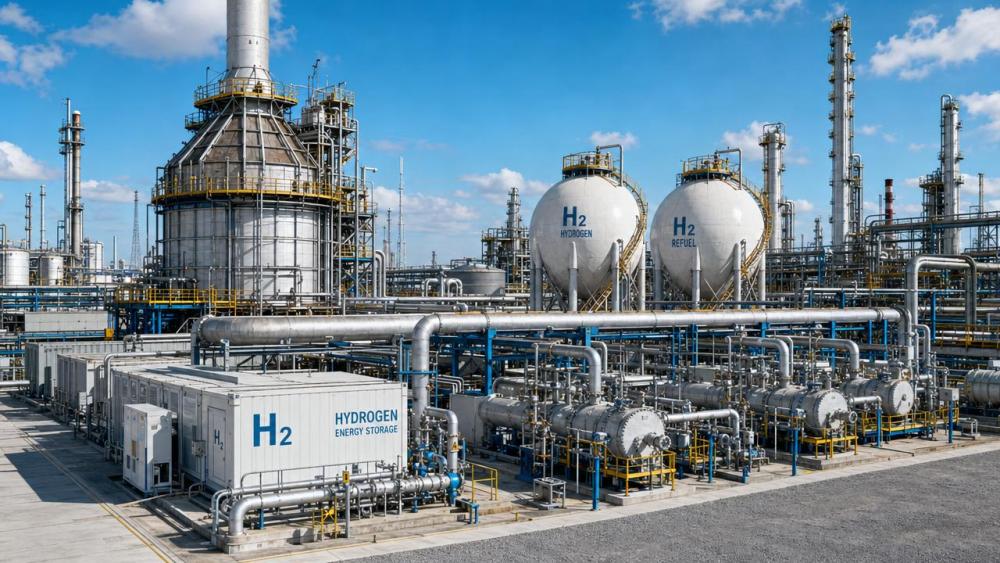
Hydrogen already has an established role inside refineries through hydrotreating, hydrocracking, sulfur removal, and product upgrading. The decarbonization shift is not about introducing an unfamiliar molecule; it is about changing how hydrogen is produced, transported, stored, and consumed. Practical refinery decarbonization strategies therefore begin with a baseline assessment of existing hydrogen demand, purity windows, pressure requirements, and fuel system compatibility.
A medium-to-large refinery may consume tens of thousands of normal cubic meters of hydrogen per hour, often across multiple pressure levels. That creates at least 4 decision layers: low-carbon hydrogen sourcing, network integration, combustion use in heaters or turbines, and resilience of storage or backup supply. Each layer carries different schedule risk and different permitting complexity.
The Four Main Hydrogen-Based Pathways
Most refinery decarbonization strategies using hydrogen fall into four practical categories rather than one universal solution. These include replacing grey hydrogen with low-carbon hydrogen, blending hydrogen into refinery fuel gas, converting selected combustion assets to higher hydrogen firing ratios, and integrating hydrogen production with carbon capture or renewable electrolysis infrastructure.
- Hydrogen supply decarbonization through electrolysis or CCUS-enabled reforming
- Fuel gas blending for gradual emissions reduction with lower outage intensity
- Dedicated hydrogen firing in heaters, boilers, or hydrogen-ready turbines
- Hub-based integration linking production, storage, logistics, and dispatch flexibility
These pathways differ significantly in capex profile. Fuel gas blending may be staged in 6–18 months if network modifications are limited, while a new large electrolyzer plus compression and storage package can require 18–36 months from feasibility to commissioning. For project managers, this timing gap often determines which route enters the first funding gate.
Why Route Selection Is Not Just an Emissions Question
Two refinery projects may target the same annual CO2 reduction but produce very different execution burdens. One may require only burner retrofits, gas quality monitoring, and revised operating envelopes. Another may involve high-pressure piping upgrades, new compressor trains, hazardous area revalidation, and operator retraining across 3 shifts. That is why refinery decarbonization strategies must be judged on operability as much as on headline carbon intensity.
G-HEI’s benchmarking logic is useful here because sovereign-level decarbonization depends on asset security and standards alignment, not only on emissions math. Material integrity under hydrogen exposure, cryogenic or compressed hydrogen logistics, and compliance with frameworks such as ASME B31.12 or ISO 19880 can move a project from “conceptually viable” to “financeable and insurable.”
Comparing Practical Routes: Technical Fit, Cost Pressure, and Deployment Speed
The table below compares common hydrogen-based refinery decarbonization strategies from a project execution perspective. It focuses on where each route tends to fit best, what infrastructure burden it creates, and which constraints typically appear during front-end engineering design.
The key takeaway is that the “best” route depends on the refinery’s existing hydrogen intensity and utility architecture. If a site already consumes large hydrogen volumes in hydroprocessing, replacing supply carbon intensity may deliver more measurable value than trying to convert every heater immediately. By contrast, a refinery with aging fired assets may prioritize fuel-gas blending as a lower-disruption first step.
Route 1: Decarbonizing Existing Hydrogen Supply
For many operators, this is the most direct route because it targets a known demand center. Existing grey hydrogen typically comes from steam methane reforming or similar carbon-intensive pathways. Replacing part of that supply with electrolytic hydrogen or adding capture systems to reforming assets can reduce Scope 1 emissions without forcing every downstream unit to change operating mode.
The challenge is scale. Electrolysis projects in the tens or hundreds of megawatts can impose heavy power interconnection requirements and new water treatment loads. Compression, buffer storage, and redundancy planning are also critical. A refinery that needs uninterrupted hydrogen flow cannot tolerate supply instability of even a few hours during peak unit operation.
Project Screening Questions
- Is electrical power available at the required scale within 12–24 months?
- Can water quality and quantity support electrolysis without adding major pretreatment bottlenecks?
- Is there enough plot space for electrolyzers, rectifiers, compression, and safety offsets?
- Will backup hydrogen come from tube trailers, pipeline imports, liquid hydrogen, or retained grey capacity?
Route 2: Hydrogen Blending in Refinery Fuel Gas
Among refinery decarbonization strategies, fuel-gas blending is often the most operationally accessible route. It allows a refinery to reduce carbon intensity gradually, sometimes starting with blend ratios below 10% and then increasing after burner performance data is confirmed. This staged model is valuable for sites that want measurable progress before committing to full asset replacement.
Still, blending is not a simple valve-setting exercise. Hydrogen’s flame speed, density, and combustion characteristics differ substantially from conventional refinery fuel gas. Burner nozzles, control logic, flame scanners, and NOx management systems may all need review. The acceptable blend window can vary from asset to asset, so unit-specific testing is usually more reliable than site-wide assumptions.
Implementation Priorities for Project Managers and Engineering Leads
Once a route is shortlisted, implementation success depends on disciplined scope definition. In refinery environments, a hydrogen project can touch mechanical integrity, process control, civil layout, fire protection, operator procedures, procurement strategy, and turnaround planning. A missed interface in any one of these areas can delay startup by weeks or shift a manageable project into a major risk event.
A Practical Five-Stage Delivery Framework
Project teams typically reduce execution risk by dividing delivery into 5 stages rather than compressing engineering into one capital request. This is especially relevant when hydrogen production, storage, and consumption assets are delivered by different vendors or EPC packages.
- Baseline mapping: quantify current hydrogen demand, fuel gas composition, emissions sources, and bottleneck units.
- Feasibility and route ranking: compare 2–4 pathways on emissions impact, capex, outage needs, and standards compliance.
- FEED and hazard review: confirm materials, tie-ins, control philosophy, spacing, and emergency shutdown logic.
- Execution planning: align procurement lead times, turnaround windows, contractor access, and commissioning sequences.
- Performance verification: validate blend ratio, purity, emissions reduction, reliability, and maintenance response in live operation.
In many refinery programs, the highest-value decision is not technical selection alone but interface management between packages. A delayed compressor, an unapproved burner retrofit, or late delivery of hydrogen-compatible valves can undermine an otherwise sound decarbonization business case.
Standards, Safety, and Material Integrity Checks
Hydrogen projects must be filtered through materials and safety requirements early, not at the end of design. Depending on pressure, temperature, and duty cycle, project teams may need to assess embrittlement risk, leak management, vent stack design, hazardous zoning, and compatibility of seals, regulators, and instruments. On sites considering high-pressure delivery or vehicle-based logistics, reference points such as ASME B31.12, ISO 19880, and related fueling or piping practices become more relevant.
For liquid hydrogen imports or cryogenic storage, additional attention is needed for insulation performance, boil-off handling, and emergency isolation. For power integration, hydrogen-ready turbines and balance-of-plant controls should be reviewed as part of a wider utility decarbonization strategy rather than as an isolated equipment purchase.
The matrix below helps project leaders compare recurring execution risks across hydrogen pathways. It is especially useful during internal gate reviews and contractor qualification workshops.
A recurring pattern across refinery decarbonization strategies is that permitting and material issues often create more delay than core process design. Teams that lock these reviews into the first 20%–30% of engineering tend to preserve schedule better than teams that defer them until procurement is already underway.
Procurement and Vendor Evaluation Criteria
For project managers, supplier selection should go beyond nameplate performance. At least 6 criteria usually matter: hydrogen service experience, code alignment, lead time transparency, maintenance support, digital monitoring capability, and demonstrated integration with compressors, storage, or combustion systems. The cheapest package can become the highest-cost package if interface engineering is weak.
This is particularly relevant in G-HEI-aligned programs where assets are benchmarked against rigorous technical and safety frameworks. Electrolysis, cryogenic logistics, turbine integration, and high-pressure hydrogen systems should be assessed as a connected value chain, not as isolated equipment lines. That broader view improves both sovereign-scale resilience and project-level bankability.
How to Prioritize the First Hydrogen Project Inside a Refinery
The first successful project matters because it sets internal confidence, operating procedures, and future capital appetite. In many cases, the ideal first move is not the deepest theoretical decarbonization option but the one that balances carbon reduction with manageable execution risk. A 10%–20% reduction in a major emissions node achieved on schedule can create more long-term value than a delayed flagship project.
A Simple Prioritization Screen
- Choose assets with high fuel use or hydrogen demand and relatively clear operating envelopes.
- Avoid first-wave projects that require too many simultaneous brownfield tie-ins across unrelated units.
- Prefer scopes that fit planned turnarounds within the next 12–24 months.
- Rank options by emissions impact per dollar, not by technical novelty alone.
- Ensure emergency response and maintenance teams can absorb the new operating model.
For some sites, this points toward hydrogen blending in selected heaters. For others, it means decarbonizing process hydrogen supply first, especially where hydroprocessing demand is already stable and measurable. The right answer is site-specific, but the decision method should remain disciplined and repeatable.
Common Missteps to Avoid
Three mistakes appear frequently. First, teams underestimate hydrogen’s effect on combustion systems and assume legacy burners can tolerate wide blend swings. Second, they treat supply infrastructure as secondary, only to discover late-stage compression or storage gaps. Third, they build a carbon case without a shutdown and commissioning case, which leads to avoidable schedule loss.
Strong refinery decarbonization strategies therefore combine emissions planning with practical execution discipline: define acceptable operating ranges, map code obligations early, and connect hydrogen decisions to utility reliability and maintenance capability. That is the difference between a pilot concept and a refinery-grade deployment pathway.
Hydrogen is no longer a distant option for refineries; it is a near-term project variable that can reshape heat, fuels, and process hydrogen systems when applied with the right sequencing. The most effective refinery decarbonization strategies compare pathways on real plant conditions, infrastructure readiness, standards compliance, and outage practicality—not on emissions claims alone.
For project managers and engineering leads, the highest-value next step is a structured route assessment covering hydrogen demand, supply architecture, material integrity, combustion readiness, and delivery interfaces. If you are planning a refinery transition program, now is the time to obtain a tailored comparison of hydrogen production, storage, transport, and end-use options. Contact us to discuss a customized pathway, review asset benchmarks, or explore more zero-carbon infrastructure solutions through G-HEI.
Related News
- When does a hydrogen steelmaking retrofit make operational sense?Sep 06, 2026Hydrogen steelmaking retrofit: discover the operational conditions, gas-network upgrades, supply strategy, safety controls, and economics needed for a practical, production-ready transition.
- How Hydrogen Ignition Control Reduces Flashback Risk in Direct BurnersAug 13, 2026Hydrogen ignition control helps reduce flashback risk in direct burners by improving timing, mixing, and flame stability—keeping hydrogen combustion safer, cleaner, and more reliable.
- Industrial Hydrogen Solutions for Refineries: Cost Priorities and Retrofit OptionsJul 13, 2026Industrial hydrogen solutions for refineries: compare cost priorities, retrofit paths, and low-carbon options to improve resilience, compliance, and long-term refinery value.
- When to Hire Refinery Decarbonization Consultants for Scope, Cost, and ComplianceJul 12, 2026Refinery decarbonization consultants help buyers define scope, control retrofit costs, and improve compliance readiness. Learn the best time to hire for stronger refinery project decisions.
Related News
- 00
0000-00
Hydrogen Energy Storage for Data Centers Gets Costly Fast - 00
0000-00
When 99.999% Hydrogen Purity Still Is Not Good Enough - 00
0000-00
When Does a Hydrogen-Ready Gas Turbine Pay Off? - 00
0000-00
Electricity Price Volatility Is Rewriting Hydrogen Cost Models - 00
0000-00
PSA Recovery Rate Drops for Reasons Operators Miss
Dr. Hideo Torque
Weekly Insights
Stay ahead with our curated technology reports delivered every Monday.